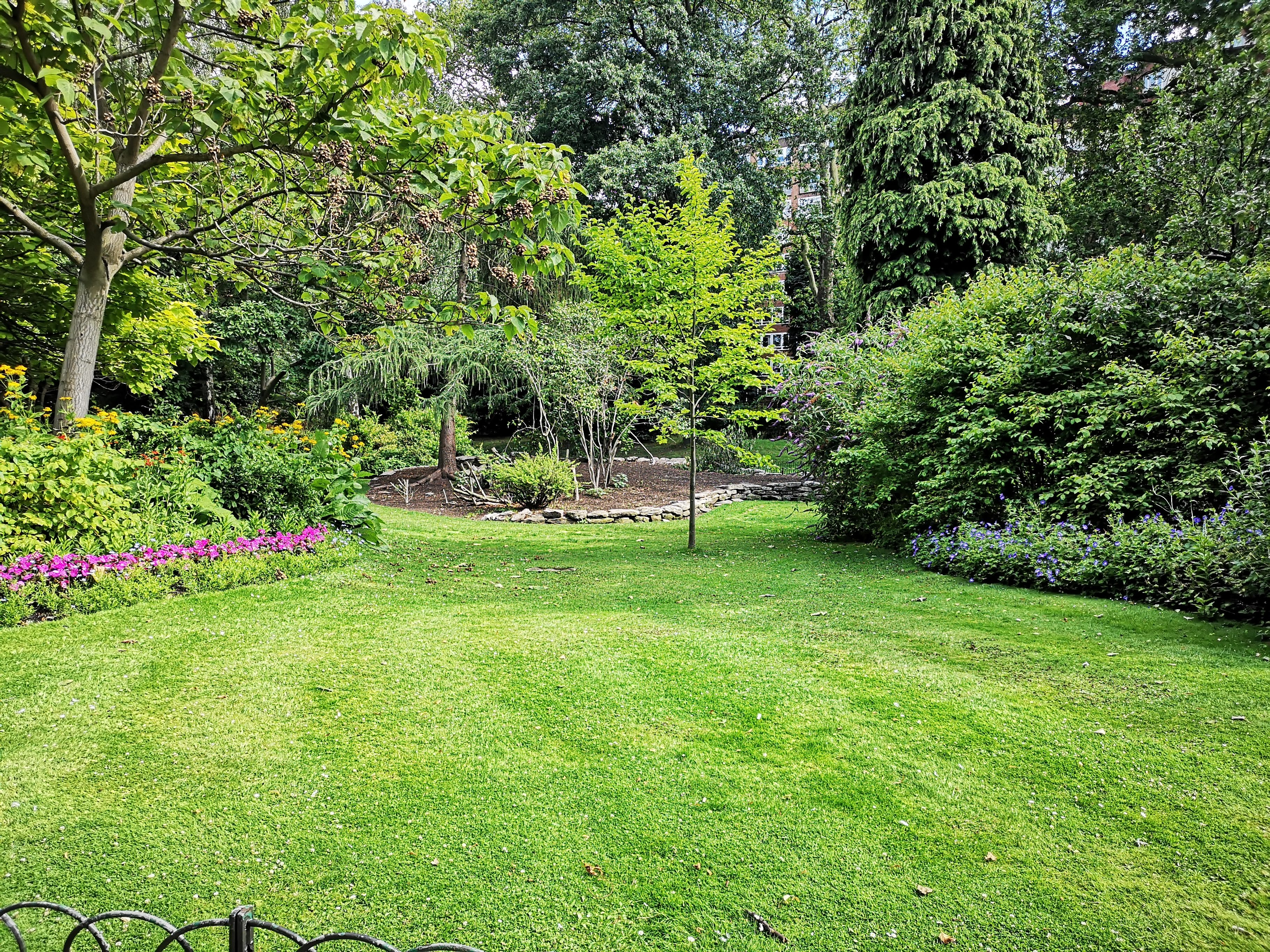
Sustainable Landscaping: Eco-Friendly Practices for a Greener Yard Apr 09, 2026
One of the foundational principles of sustainable landscaping is to work with your native environment rather than against it. Native plants are adapted to the local climate and soil conditions, requiring less water, fertilizer, and pest control. By incorporating native plants into your design, you not only conserve resources but also create habitats for local wildlife. Consider species like purple coneflowers, black-eyed Susans, or any regional plants that thrive naturally and support local pollinators.
Water conservation is another crucial aspect of sustainable landscaping. Traditional lawns often demand excessive watering, contributing to water waste. Instead, consider xeriscaping, which involves landscaping with drought-resistant plants and reducing reliance on watering. Installing a rainwater harvesting system can also significantly cut down on water usage, capturing rainwater runoff from your roof to be used later for irrigation. Mulching is another effective strategy. It helps the soil retain moisture, reducing the need for frequent watering while suppressing weed growth.
Soil health is vital for sustainable landscaping. Healthy soil is full of life, supporting a diverse ecosystem below ground. Implementing organic practices such as composting transforms yard waste into nutrient-rich soil enhancers that promote plant health. Rather than relying on chemical fertilizers, organic compost replenishes and enriches your soil naturally. Regular soil testing can help you understand what nutrients your yard requires and guide you in amending the soil accordingly.
Integrated pest management (IPM) is an eco-friendly approach to maintaining plant health while minimizing pesticide use. This practice involves monitoring pests to determine if they reach a harmful level, intervening with physical, biological, or chemical controls as needed. Encouraging beneficial insects, such as ladybugs and praying mantises, to inhabit your garden can naturally control pest populations, reducing the need for synthetic chemicals.
Another way to contribute to a sustainable landscape is to incorporate hardscaping elements like permeable pavers. Instead of conventional concrete, which can contribute to stormwater runoff, permeable paving allows rainwater to filter back into the ground. This process reduces erosion and runoff, improving the health of local water systems.
Lastly, consider the lifecycle of the materials you use in your landscape design. Opt for recycled or sustainably sourced materials when possible. Whether you're installing a new patio or creating a garden path, choosing materials with a lower carbon footprint supports broader environmental goals.
Creating an eco-friendly yard isn't just a trend—it's a way to ensure that your outdoor space contributes positively to the ecosystem. At Tidy Up Landscape and Design, we are here to guide you every step of the way, helping you implement sustainable practices that not only enhance the beauty and functionality of your landscape but also benefit the planet. With careful planning and thoughtful design, you can transform your yard into a thriving, sustainable oasis.
/filters:no_upscale()/filters:format(webp)/media/faffa30f-9311-4ac2-b38b-72a61e03f35c.jpeg)