Mastering the Mix: Integrating Softscape and Hardscape for a Balanced Landscape May 22, 2026
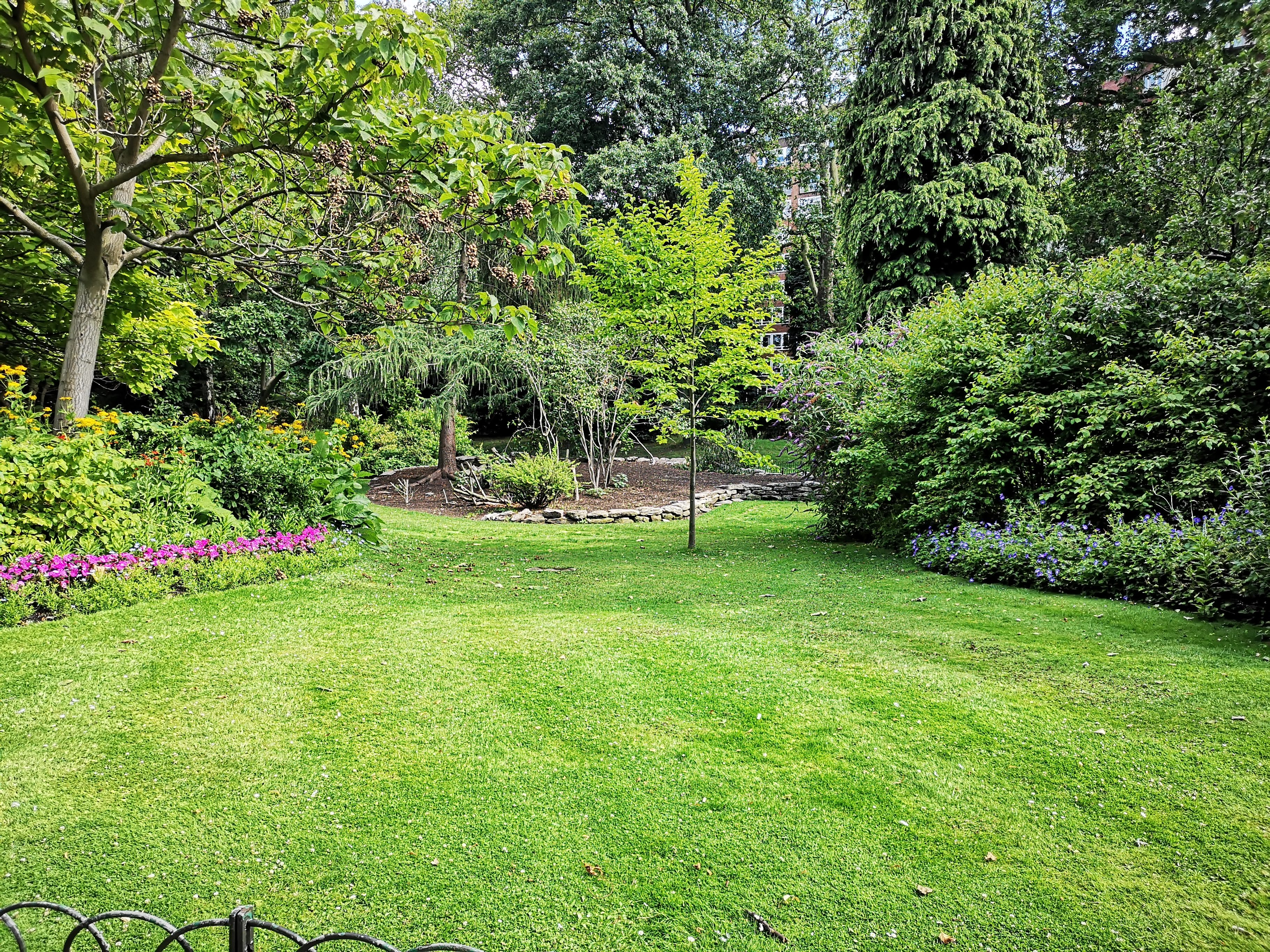
To begin mastering this mix, it's essential to evaluate the overall aesthetic you wish to achieve. Consider how your outdoor space will be used—is it for leisure, entertainment, or perhaps as an extension of your indoor living area? Recognizing this purpose will guide your choice of features and materials. For example, if relaxation is the goal, consider incorporating softscape elements like lush grass and perennial beds to create a soothing, natural environment, complemented by a simple stone bench or a gently curving pathway.
Balance is crucial when integrating softscape and hardscape. Too much of one can overpower the other, leading to a disjointed look. Strive to create harmony by ensuring that the proportions of living and non-living features complement each other. In many successful designs, hardscape serves as the backbone or structure of the landscape, while softscape adds color and texture, bringing vibrancy and life.
Choosing the right materials for your hardscape features is another important step. Materials should not only enhance the beauty of your outdoor area but also align with the climate and style of your home. For instance, in warmer climates, lighter materials like limestone are preferred as they retain less heat, making them ideal for patios and walkways. Meanwhile, incorporating local stones can add a touch of authenticity and ensure your design blends seamlessly into the natural environment.
When it comes to planting, select vegetation that complements your hardscape design both in color and scale. Native plants are a fantastic choice as they typically require less water and maintenance, contributing to a more sustainable landscape design. Consider incorporating layered planting strategies, with taller trees or shrubs at the back and ground cover in the front to create depth and interest.
Lighting is an often-overlooked element that can significantly enhance both softscape and hardscape areas. Strategically placed lighting can accentuate architectural features of your hardscape, such as the texture of a stone wall or the gentle curves of a pathway. Additionally, soft lighting can create ambiance and highlight beautiful softscape features like flower beds or water features, extending the usability of the space into the evening.
Lastly, maintenance should be a consideration in the integration process. Thoughtful design will keep maintenance to a minimum, allowing you to enjoy your space without it feeling like a burden. Choosing plants that thrive in your environment and are suited to your lifestyle can reduce the need for constant upkeep. Similarly, durable materials for hardscaping ensure longevity and reduce maintenance costs over time.
Mastering the mix of softscape and hardscape in your landscape can elevate your outdoor space from ordinary to extraordinary. At Tidy Up Landscape and Design, we understand the nuances that contribute to a successful landscape design. With careful planning and professional guidance, you can create a balanced and beautiful space that provides enjoyment for years to come.
/filters:no_upscale()/filters:format(webp)/media/faffa30f-9311-4ac2-b38b-72a61e03f35c.jpeg)