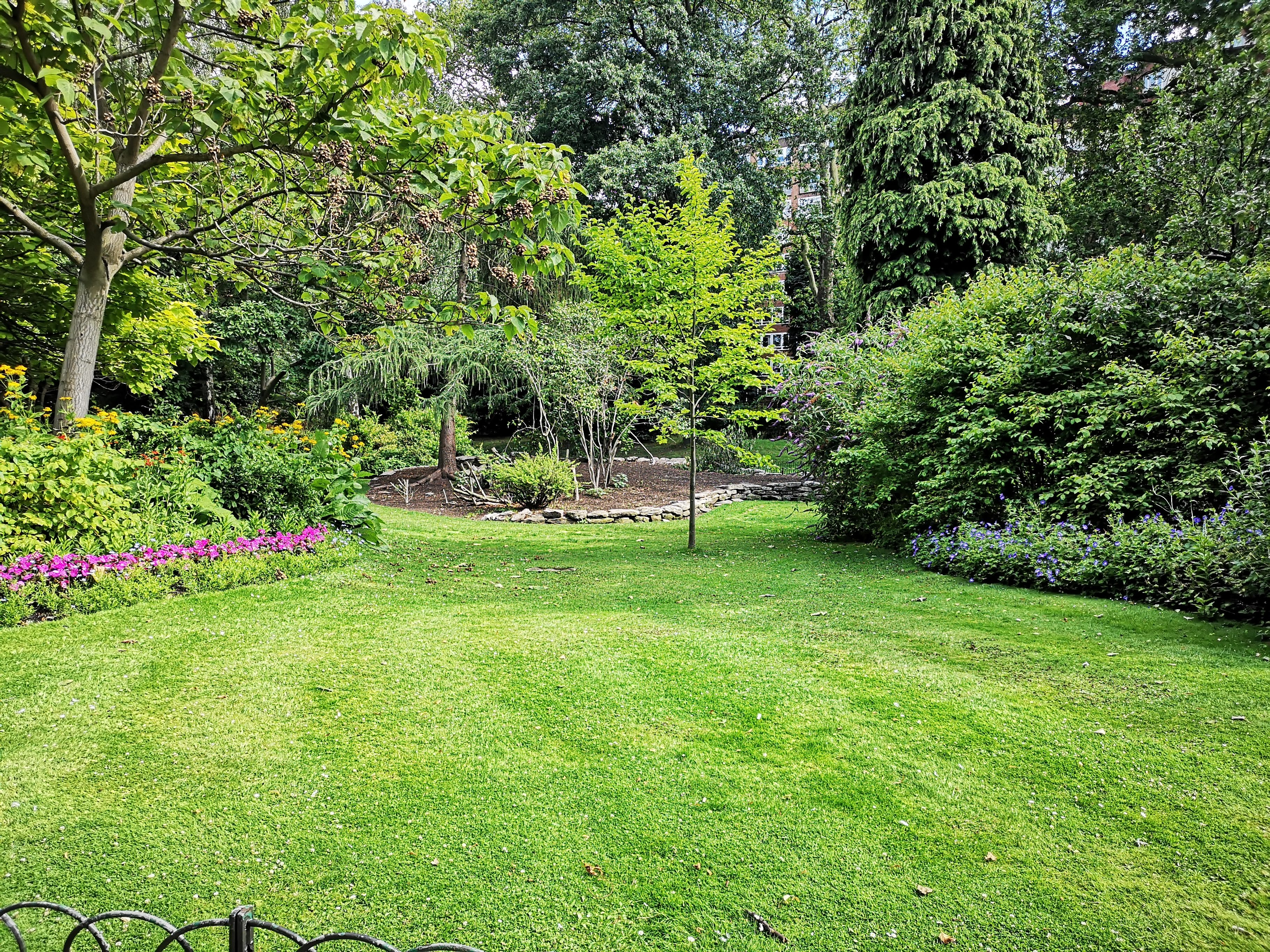
Embracing Native Plants: Designing a Resilient and Low-Maintenance Landscape Jun 02, 2026
Native plants, naturally adapted to local climate and soil conditions, evolve over thousands of years to thrive in their specific region. This means they require less water, fewer fertilizers, and minimal pest control compared to non-native species. By focusing your landscape design around these hardy plants, you're setting yourself up for long-term success. Plus, native plants are essential to local ecosystems, providing food and habitat for native wildlife, including birds, bees, and butterflies.
For homeowners seeking a vibrant yet sustainable garden, identifying which native plants will flourish in your yard is the first step. Begin by researching plant species native to your area. Local garden centers often offer valuable resources, and consulting with a landscape design expert can provide personalized guidance. In Pennsylvania, for example, consider beauties like the Eastern Redbud, Black-eyed Susan, and Switchgrass, all renowned for their adaptability and striking appearance.
Once you’ve identified the ideal plant varieties, evaluate your landscape's current conditions. Assess sun exposure, soil type, and drainage to ensure your selected plants can thrive. Grouping plants with similar needs together not only optimizes growth but enhances visual cohesion within your garden design. This practice, known as plant zoning, can lead to a more successful, sustainable landscape.
The aesthetic appeal of native plants cannot be understated. Their variety of colors, textures, and growth patterns provides a rich tapestry that can highlight any yard. For example, mixing perennials with long-blooming native flowers can ensure year-round interest and attract pollinators to your garden. Similarly, employing evergreens alongside seasonal bloomers preserves vibrancy even during colder months, offering structure and greenery.
Incorporating hardscape elements, such as stone paths or wooden decks, can complement native plantings while adding functionality to your landscape. Focus on materials and designs that harmonize with your native plant theme. Natural stone pavers and rustic wooden fences can enhance the organic feel of a native garden, creating an inviting space for relaxation and enjoyment.
Ultimately, the key to a successful native plant garden is thoughtful planning and execution. By focusing on plants that naturally fit your environment, you reduce the need for constant maintenance. Native plants are inherently resilient, coping well with local climatic challenges such as drought or frost with minimal intervention. This reduced maintenance approach not only saves time but also conserves water and eliminates the need for chemical interventions, fostering a healthier environment.
At Tidy Up Landscape and Design, we are passionate about transforming outdoor spaces through sustainable practices. By choosing native plants, you’re making a powerful statement in favor of the environment while curating a beautiful, sustainable garden. A landscape heavy in native flora is more than just a garden—it’s a thriving ecosystem and a testament to thoughtful, forward-thinking design. Whether you're starting from scratch or enhancing an existing garden, the integration of native plants assures long-lasting beauty and resilience, combining elegance with ecological responsibility.
/filters:no_upscale()/filters:format(webp)/media/faffa30f-9311-4ac2-b38b-72a61e03f35c.jpeg)